
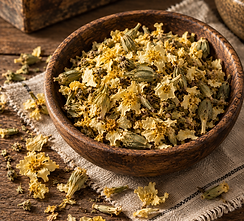
Primrose
Flower
Primrose (Primula vulgaris) is offered as dried flower for tea, infusion, and traditional herbal preparations. Its delicate flowers are used primarily in traditional preparations associated with respiratory comfort and seasonal wellness.
Medicinal Profile
Primrose flowers have traditionally been used as a gentle expectorant and respiratory herb. Related Primula flower preparations recognized by the European Medicines Agency are traditionally used to help relieve cough associated with colds. Clinical evidence remains limited, and the recognized medicinal preparations primarily concern Primula veris and Primula elatior rather than P. vulgaris specifically.
Traditional & Historical Context
Primula species have a long history in European herbalism. Flowers have been prepared as teas and other preparations for seasonal respiratory complaints, while different species and plant parts have historically been used in distinct ways.
Ritual & Folk Applications
Primrose is associated with spring, renewal, emergence, and gentle beginnings. In folk-inspired ritual work, the flower may be included in preparations centered around new cycles, awakening, hope, and the return of light.
Preparation Notes
Best prepared as a gentle infusion (10–15 minutes).
Safety Considerations
Avoid use in individuals with known allergy to Primula species. Because the traditional medicinal evidence applies to specific Primula species and preparations, botanical identification is important. Allergic reactions to primula flower preparations have been reported.
Featured In
Fairy — for woodland wonder, playful mystery, and delicate enchantment.